-
10-26 2026
Qiushi Focuses on Practical Grain Handling Equipment for Modern Storage Projects
When grain arrives at a storage facility, it usually has to pass through several stages before it reaches the silo. Trucks need to be unloaded, grain may need to be cleaned or dried, and the material then has to be moved between different pieces of equipment.
-
10-23 2026
Qiushi Highlights the Role of Grain Drying Towers in Modern Grain Storage Projects
The harvest season brings a large amount of grain into storage facilities within a relatively short period. For many grain operators, getting the harvested grain into proper storage condition is an important part of the entire process. A grain drying tower can play an important role at this stage by helping reduce excess moisture before grain is transferred to storage.
-
10-14 2026
Steel Silo Design Is Evolving as Grain Storage Projects Demand Greater Flexibility
For grain storage operators, choosing a storage structure is no longer just a question of how many tons it can hold. Site conditions, grain turnover, loading and unloading efficiency, and long-term maintenance all influence the final investment decision. As agricultural supply chains become more interconnected, the steel silo is receiving continued attention for its adaptable design and compatibility with modern grain handling systems.
-
10-07 2026
Steel Silo Market Moves Toward More Reliable and Integrated Grain Storage Solutions
As grain storage projects become increasingly focused on long-term performance, the requirements for storage facilities are changing. Capacity is still important, but many project owners now pay closer attention to structural reliability, moisture control, ventilation, temperature monitoring, maintenance, and the coordination of related handling equipment. In this changing market, the steel silo continues to be a widely used solution for modern grain storage facilities.
-
10-04 2026
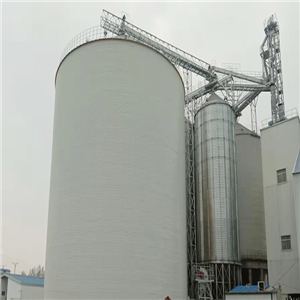
What Are Steel Silos? Modern Mechanized Bulk Grain Storage Explained
For decades, most grain depots and processing plants relied on traditional bagged storage and civil warehouses. These conventional methods come with obvious drawbacks, including heavy manual workload, poor airtight conditions and unavoidable grain waste during long-term preservation. As the grain industry continues to upgrade toward large-scale and standardized operation, mechanized bulk storage has become the mainstream choice for modern agricultural and feed enterprises. The steel silo stands out as the core storage facility that supports efficient, low-loss and fully mechanized bulk grain management.
-
09-21 2026
Silo Moisture-Proof Sealing System Prevents Grain Deterioration in Humid and Variable Climates
Grain storage failure in temperate and high-humidity regions is mostly caused by invisible air and moisture penetration. Tiny gaps in silo welds, flange connections and discharge interfaces allow external humid air to exchange with internal grain piles, leading to moisture absorption, grain sweating and periodic mildew. Traditional silo structures only focus on structural strength while ignoring micro-sealing protection, resulting in unstable storage quality during long-term stacking. A professional silo moisture-proof sealing system solves ambient humidity interference from the source, creating a stable and dry internal storage environment for grain and feed raw materials.