
Steel Silo Market Moves Toward More Reliable and Integrated Grain Storage Solutions
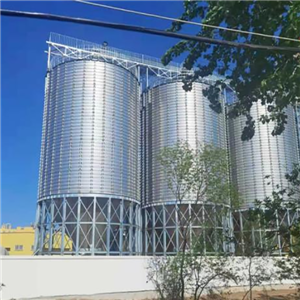
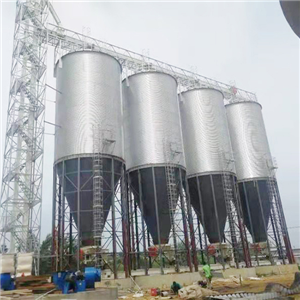
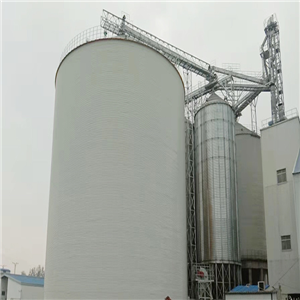
As grain storage projects become increasingly focused on long-term performance, the requirements for storage facilities are changing. Capacity is still important, but many project owners now pay closer attention to structural reliability, moisture control, ventilation, temperature monitoring, maintenance, and the coordination of related handling equipment. In this changing market, the steel silo continues to be a widely used solution for modern grain storage facilities.
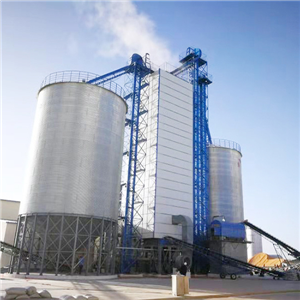
A steel silo is more than a storage container. Its performance is closely related to the design of the complete grain handling system. Conveyors, bucket elevators, cleaning equipment, ventilation systems, temperature monitoring devices, dust collection equipment, and discharge systems all need to work together. A well-planned system can make daily operation easier and reduce potential problems during long-term storage.
Climate is another factor that cannot be ignored when designing a steel silo project. Storage conditions can vary considerably between regions. High humidity, large temperature differences, heavy rainfall, and high summer temperatures may all affect grain quality. Ventilation and sealing are also important parts of a grain storage project. Temperature and moisture conditions inside the silo need to be checked during operation, especially when grain is stored for a long period. It is much easier to deal with these issues when they are included in the original design.
The service life of a silo depends on several basic details, including the steel used, sheet thickness, connection method, and surface treatment. These details are normally selected according to the silo size, local conditions, and the type of grain being stored.Humid and coastal locations require extra attention to rust protection. In these areas, a suitable coating and proper surface treatment can help protect the steel and reduce maintenance problems later on.
The choice of steel material, coating, and surface treatment should be based on the local climate and actual operating conditions. Proper protection at the manufacturing stage can help reduce maintenance work and extend the working life of the equipment.
Customers are also looking at more than the silo itself when planning a new grain storage project. Instead of purchasing the storage structure separately, many projects now require the silo to work together with receiving, conveying, cleaning, monitoring, and discharge equipment. This means that equipment selection and system coordination need to be considered from the beginning of the project. This has increased the importance of engineering coordination and communication between equipment suppliers and customers.
The trend can also be seen in overseas grain storage projects. Different countries have different climates, grain varieties, construction practices, and technical requirements. A steel silo project designed for one market may therefore need adjustments before being applied to another region. Export-oriented equipment manufacturers need to consider not only manufacturing, but also technical communication, drawings, quotations, shipping arrangements, installation support, and after-sales service.
For large grain processing plants, feed mills, grain terminals, and storage facilities, the value of a steel silo is closely connected with the stability of the entire operation. A reliable storage system can support better inventory management and help maintain grain quality during storage. At the same time, convenient inspection and maintenance can reduce difficulties in daily operation.
Looking ahead, the steel silo market is likely to place greater emphasis on reliability, practical design, and complete project support. Price remains an important consideration, but customers are increasingly evaluating equipment quality, engineering experience, delivery capability, technical service, and long-term operating performance together.
For manufacturers and engineering companies, this shift creates both opportunities and challenges. Rather than focusing only on increasing storage capacity, future projects will require closer attention to actual operating conditions and the needs of individual customers. The ability to provide a suitable storage solution, coordinate different equipment, and support the project through delivery and installation will become increasingly important.
As grain storage technology continues to develop, the steel silo will remain an important part of modern grain storage infrastructure. The focus, however, is gradually moving from simply building more storage capacity toward creating storage systems that are safer, easier to operate, and more suitable for long-term use.