
Sino-Russian Grain Corridor Expands, Smart Storage Tech Takes Center Stage This Week
This week marks significant progress in the global grain storage and trade sector, with the expansion of the Sino-Russian "New Land Grain Corridor" and the accelerated adoption of smart storage technologies emerging as key industry highlights. The latest developments, including the breakthrough in Russian agricultural imports via Manzhouli Highway Port and the growing focus on AI-enabled grain monitoring systems, are reshaping the landscape of cross-border grain logistics and storage amid escalating global food security challenges.
A major milestone this week came from Manzhouli, a crucial border hub in northern China, where the local highway port achieved a "zero breakthrough" in importing Russian agricultural products. Two trucks carrying 41.76 tons of Russian oats and buckwheat successfully entered China on December 20, opening a new land route for Sino-Russian grain trade. This development complements existing logistics channels and strengthens the "New Land Grain Corridor" project, which aims to boost cross-border grain circulation between China and Russia. To support this expansion, a dedicated customs-supervised grain import site, covering 27,707 square meters with an annual turnover capacity of 200,000 tons, was put into operation earlier this month, providing critical infrastructure for large-scale, secure grain imports from Russia. Local authorities noted that the port will further deepen customs clearance facilitation reforms, implementing 24/7 appointment-based customs clearance and rapid inspection services to enhance the efficiency of cross-border grain trade.
The expansion of the Sino-Russian grain corridor aligns with broader bilateral agricultural cooperation goals outlined by Russia’s Foreign Ministry this week. In a year-end summary released on December 29, the ministry emphasized strengthened Sino-Russian collaboration across the entire agricultural production chain, including joint investment projects in grain storage and processing. "The opening of new cross-border grain routes creates an urgent need for high-quality storage facilities that can adapt to harsh climates and support efficient logistics," said an industry analyst from the Global Grain Storage Association. "This presents significant opportunities for storage solution providers with expertise in cold-resistant and modular technologies, which are critical for maintaining grain quality in extreme weather conditions."
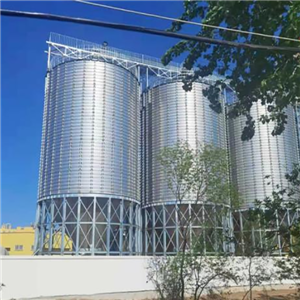
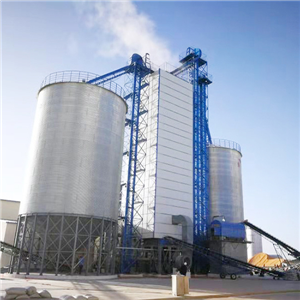
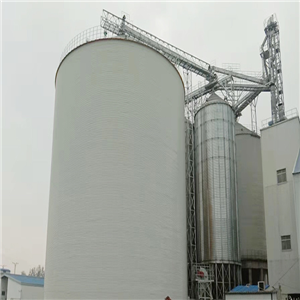
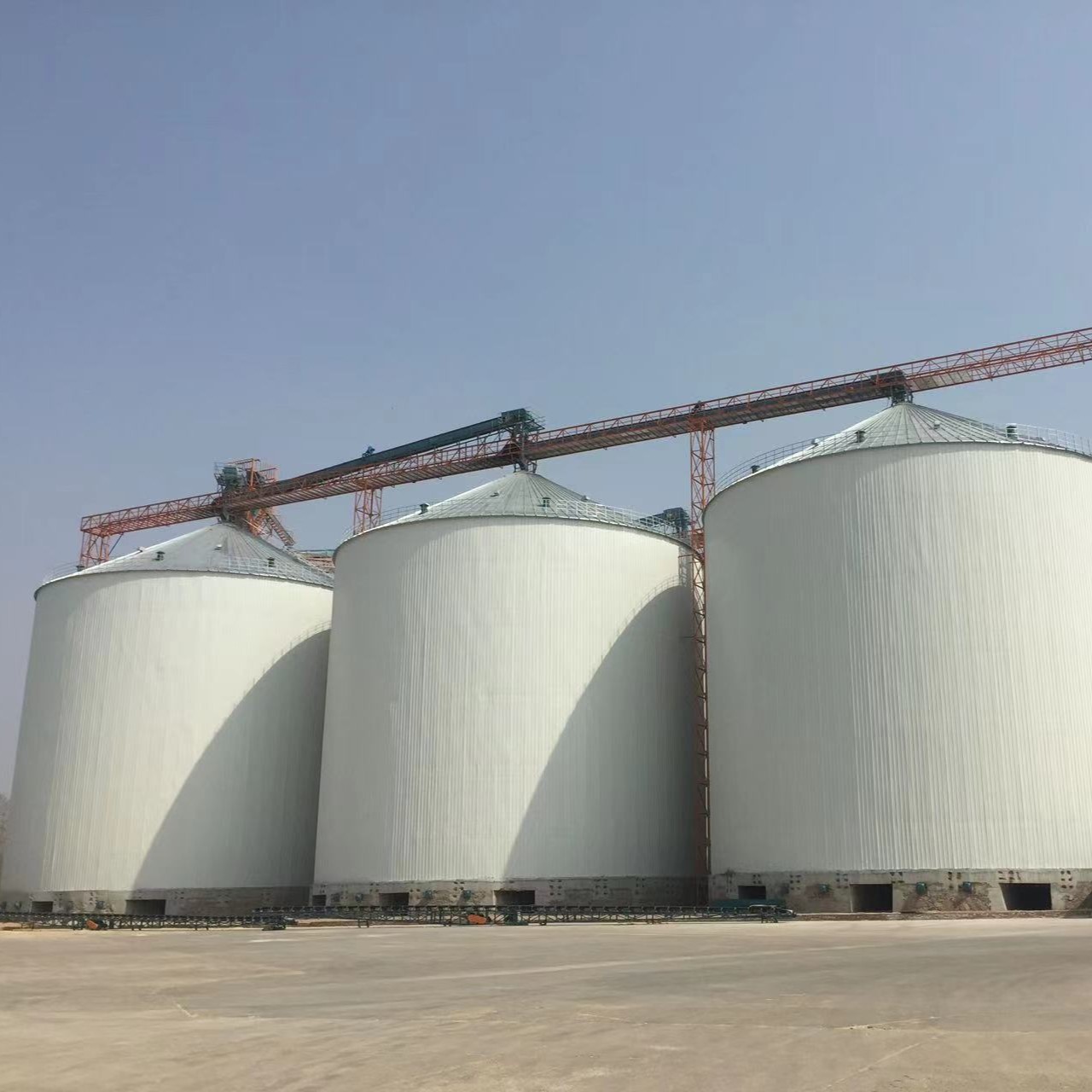
Meanwhile, smart and green storage technologies have dominated industry discussions this week, with new innovations showcasing their potential to reduce post-harvest losses. Leading agricultural organizations and grain reserves worldwide are increasingly adopting AI-powered pest monitoring systems and energy-efficient insulation solutions amid rising labor shortages and storage risks. These technologies include AI terminals capable of identifying over 20 types of grain pests with 95% accuracy and predicting infestations 30 days in advance, which are rapidly becoming standard in modern grain reserves. Additionally, energy-saving storage designs, such as spiral edge-biting insulated silos, are gaining traction in cold regions like Russia, where maintaining stable grain temperatures during frigid winters is critical to preventing freezing and mold growth. The integration of IoT sensors and big data analytics has further enabled real-time monitoring of temperature, humidity, and grain moisture, allowing for precise adjustments of ventilation and dehumidification systems to minimize losses.
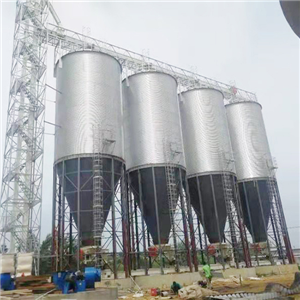
Industry experts predict that the expansion of the Sino-Russian grain corridor will drive significant demand for advanced storage solutions in the coming months. With Russia being one of the world’s top grain exporters and China’s strong demand for high-quality agricultural products, the need for cold-resistant, high-capacity, and smart silos is expected to surge. This trend is further supported by global market dynamics, as the commercial grain storage solutions market continues to grow amid increasing global food demand, volatile weather patterns, and stricter food safety regulations. According to the 2025 Global Food Crisis Report, 295 million people across 53 countries faced acute food insecurity in 2024, marking the sixth consecutive year of growth, underscoring the critical role of efficient storage and trade systems in safeguarding food security. Key market trends include the widespread adoption of IoT-enabled monitoring, sustainable construction materials, and energy-efficient designs to reduce post-harvest losses, which currently average 8-12% globally during storage and transportation.
As the week concludes, the industry’s focus remains on leveraging infrastructure upgrades and technological innovation to enhance cross-border grain trade efficiency and storage reliability. The expansion of the Sino-Russian grain corridor and the advancement of smart storage technologies not only strengthen food security cooperation between nations but also create new growth opportunities for the global grain storage sector. Experts emphasize that continuous investment in climate-adapted storage facilities and digital transformation will be pivotal in addressing global food security challenges and ensuring stable grain supply chains.