
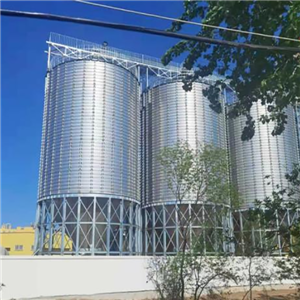
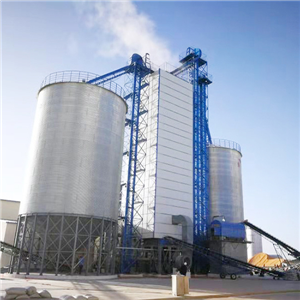
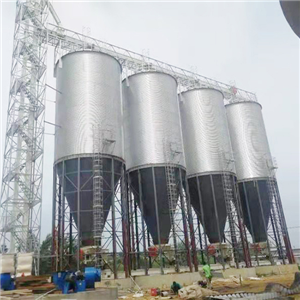
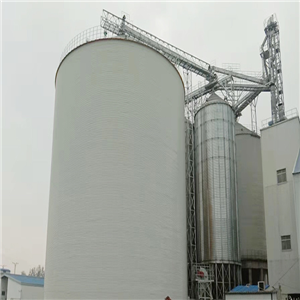
Why Airtight Storage Silos Are Redefining Raw Grain Preservation Standards Across the Global Grain Industry
Across the global grain industry, the standard for what constitutes effective raw grain preservation is being reset. As grain quality requirements become more stringent, post-harvest loss reduction becomes a higher priority, and regulatory expectations around food safety continue to tighten, the airtight storage silo is emerging as the defining infrastructure choice for operators who need to protect raw grain through extended storage cycles. This shift is visible not only in large-scale national grain reserve systems, but increasingly across the grain and oil sector, agricultural farms, and feed supply chains where raw grain quality directly determines downstream production outcomes.
The Limitations of Conventional Storage Are Driving a Structural Shift
For decades, open-structure and semi-sealed storage facilities served as the standard approach for raw grain management in many agricultural regions. While these systems provided basic storage capacity, they consistently struggled to address the root causes of grain deterioration—oxygen exposure, moisture ingress, temperature fluctuation, pest infiltration, and contamination risk. Each of these factors erodes grain quality progressively, and without effective environmental control, raw grain losses in conventional storage can reach levels that impose significant economic burden on producers, processors, and reserve operators.
The airtight storage silo addresses these structural limitations directly. By maintaining a sealed internal environment that limits oxygen exchange, controls internal humidity, and blocks external pest pathways, an airtight storage silo enables a fundamentally different approach to raw grain preservation—one based on environmental stability rather than reactive management. For the grain and oil industry, agricultural farm operations, and feed supply systems, this difference translates into more predictable storage outcomes, better grain quality on exit, and stronger overall return on storage investment.
Airtight Storage Silos and the Science of Raw Grain Preservation
The effectiveness of an airtight storage silo in preserving raw grain is grounded in well-established principles of grain biology and deterioration science. Grain deterioration is driven primarily by the metabolic activity of grain organisms, mold spores, and insects—all of which require oxygen to sustain activity. In a properly sealed airtight storage silo, reduced oxygen concentration slows these biological processes significantly, extending the safe storage window and reducing the rate of dry matter loss, quality degradation, and mycotoxin development.
Alongside controlled atmosphere conditions, airtight storage silos also limit the moisture exchange between stored grain and the external environment. This is particularly important in regions where seasonal humidity swings are significant, such as the agricultural plains of Central Asia, the monsoon-influenced regions of Southeast Asia, and the high-humidity growing zones in parts of China and Eastern Europe. In each of these environments, an airtight storage silo provides a more stable internal climate that reduces the risk of grain pile moisture migration—one of the most common causes of localized spoilage in raw grain storage.
Feed and Grain & Oil Applications Highlight the Value of Airtight Storage
Among the sectors driving growing adoption of airtight storage silos, feed raw material storage and grain and oil applications stand out for the precision they require. Feed enterprises that store corn, wheat, soybean meal, and other raw grain inputs must maintain strict quality parameters to protect the nutritional value and safety of finished feed products. Any deterioration in raw grain quality at the storage stage can have cascading effects on feed formulation accuracy, livestock performance, and compliance with feed safety standards.
An airtight storage silo provides feed operators with a measurable improvement in quality assurance at the raw grain storage stage. By limiting oxidative deterioration, mold development, and pest-related contamination, the airtight storage silo helps feed enterprises reduce the incidence of raw material rejection, lower fumigation frequency, and maintain more consistent input quality throughout the production year.
For grain and oil enterprises, the case for airtight storage silos is similarly compelling. Oil-bearing raw grains such as rapeseed, sunflower seed, and corn germ are particularly sensitive to oxidative degradation during storage—a process that directly reduces oil extraction yield and quality. The controlled environment inside an airtight storage silo slows lipid oxidation, helping grain and oil processors protect the commercial value of raw materials from harvest through to processing.
Agricultural Farms Are Increasingly Investing in Airtight Storage Infrastructure
The adoption of airtight storage silos is no longer limited to large industrial operators and national grain reserve systems. Across agricultural farm operations of varying scales, investment in on-farm airtight storage silo capacity is growing as farm operators recognize the direct relationship between storage quality and the price they can command at point of sale.
Farms that can store raw grain in properly sealed, climate-stable conditions are better positioned to hold stock through seasonal price cycles, deliver consistently graded grain to buyers, and reduce dependence on immediate post-harvest sale under price pressure. For farm operations in regions with limited public storage infrastructure—common in parts of Central Asia, Eastern Europe, and Southeast Asian agricultural zones—on-farm airtight storage silos represent a meaningful step toward supply chain independence and income stability.
This trend is changing the profile of who invests in airtight storage silos and at what scale. While large-capacity systems remain the primary choice for grain depot operators and agro-industrial enterprises, mid-capacity airtight storage silos designed for farm-scale use are attracting growing interest from agricultural cooperatives and individual farm operations seeking to upgrade their post-harvest infrastructure.
Regulatory and Food Safety Pressures Are Reinforcing the Trend
Beyond the economic logic, regulatory and food safety considerations are also pushing the grain industry toward more widespread adoption of airtight storage silos. In many markets, food safety frameworks for grain storage are becoming more explicit in their requirements around pest control, mycotoxin limits, and traceability of storage conditions. An airtight storage silo, by virtue of its sealed design and reduced reliance on chemical fumigation, supports compliance with these requirements more effectively than open or semi-sealed alternatives.
As grain safety standards tighten across export-oriented agricultural markets and domestic food supply chains alike, the ability to demonstrate rigorous storage condition management is becoming a competitive differentiator. Operators who have invested in airtight storage silos are better positioned to meet these standards systematically rather than managing compliance on a reactive, case-by-case basis.
A Long-Term Infrastructure Investment with Measurable Returns
One of the recurring findings across grain industry analyses is that the total cost of inadequate raw grain storage—measured across post-harvest losses, quality downgrades, fumigation expenses, and market value erosion—consistently exceeds the capital cost of upgrading to better infrastructure. For the airtight storage silo, this equation is particularly clear. The initial investment in sealed storage infrastructure is offset over time by measurable reductions in grain loss rates, lower operational intervention requirements, and stronger preservation of raw grain commercial value.
As the global grain sector continues its structural shift toward quality-oriented, efficiency-driven operations, the airtight storage silo is positioned to become a foundational component of modern raw grain storage systems across the grain and oil industry, agricultural farm operations, and feed supply chains worldwide.
Liaoning Qiushi Silo Equipment Engineering Co., Ltd. is a comprehensive grain storage equipment enterprise specializing in the design, manufacturing, installation, and after-sales service of steel silo systems and supporting equipment. The company serves clients across grain & oil, agriculture, and feed industries in China, Russia, Kazakhstan, Belarus, and other Belt and Road markets.
Contact: ? info@qssilo.com | ? +86 (024) 31506695 | ? www.qssilo.com