
Steel Silo Complex Officially Operational, Paving Way for Agricultural Modernization with Advanced Steel Silo Technology
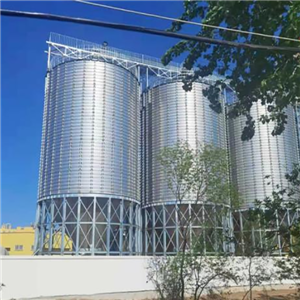
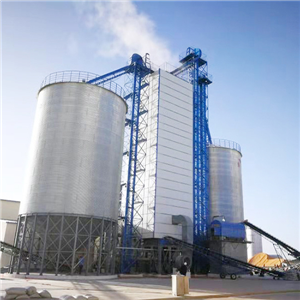
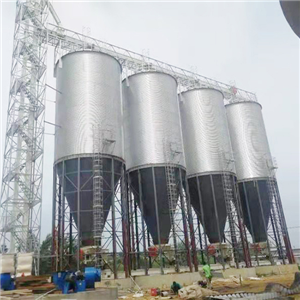
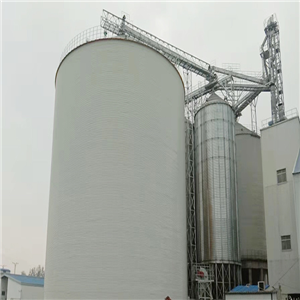
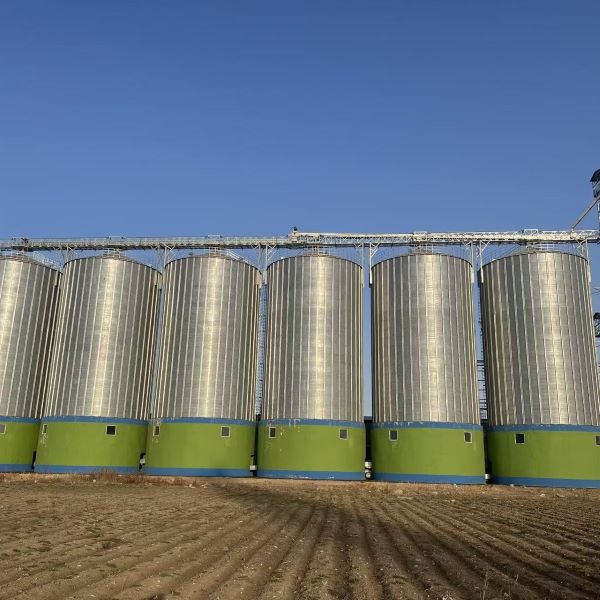
ANJIUGUHE, China – A state-of-the-art 12,000-ton grain storage complex, comprising 6 units of 2,000-ton steel silos and 7 sets of integrated handling equipment, was officially put into operation in Anjiuguhe recently. This steel silo complex, constructed in just 90 days through a localized collaboration model, is set to revolutionize the region’s grain storage landscape by virtue of the advanced steel silo design, enhance post-harvest management capabilities, and lay a solid foundation for the modernization of local agriculture with the support of the steel silo project.
As a pivotal grain-producing hub in the region, Anjiuguhe has long been challenged by the mismatch between its abundant grain output and outdated storage infrastructure. Prior to the project, the area relied heavily on traditional storage facilities, which struggled to cope with the concentrated autumn harvest. Issues such as insufficient capacity, poor moisture control, and inefficient loading/unloading processes led to an annual grain loss rate of nearly 8%, directly affecting the income of local farmers and regional food security.
To address these pressing issues, local authorities partnered with a professional bulk storage engineering firm to launch the steel silo complex project. Unlike conventional storage facilities, the new steel silo complex features a suite of modern technologies tailored to Anjiuguhe’s subtropical humid climate and grain storage demands, making the steel silo a reliable solution for local grain preservation.
A standout advantage of the steel silo complex project is its efficient construction and localized execution. The construction team adopted a prefabricated production approach for the steel silo components, with over 90% of silo parts manufactured in nearby workshops, significantly reducing transportation costs and construction time for the steel silo complex. With the participation of more than 60 local workers, the steel silo project was completed 20 days ahead of schedule, ensuring the steel silo complex was ready for the upcoming harvest season.
In terms of performance, the 6 2,000-ton steel silos in the complex are built with high-strength galvanized steel and advanced spiral locking technology, boasting a 99.7% airtightness rate that is a key advantage of the steel silo design. This steel silo structure effectively prevents moisture intrusion and pest infestation, while the built-in thermal insulation layer in each steel silo maintains a stable internal temperature, extending the safe storage period of grain to over 18 months. The 7 sets of supporting equipment, matched with the steel silo complex, including high-capacity bucket elevators and automated conveyors, enable a daily handling capacity of 1,200 tons, slashing the loading/unloading time by 60% compared to traditional methods used before the steel silo project.
Moreover, the complex is equipped with a smart monitoring system powered by the Internet of Things (IoT). Sensors deployed in each silo continuously track temperature, humidity, and grain moisture levels, transmitting real-time data to a central control center. Farm managers can remotely monitor the storage status via mobile devices, and the system automatically triggers ventilation or dehumidification processes when abnormal conditions are detected, minimizing manual intervention and operational risks.
Mr. Li Hua, director of the local Agricultural and Rural Affairs Bureau, commented at the commissioning ceremony: "The operation of this steel silo complex is a game-changer for Anjiuguhe’s agriculture. This steel silo project not only solves our long-standing grain storage dilemma but also improves the efficiency of the entire grain supply chain. With the steel silo’s excellent performance reducing losses and improving quality, local farmers will gain more benefits, and our regional food security will be further safeguarded by this advanced steel silo complex."
Economic and social benefits of the project are already evident. It is expected to reduce annual grain losses by approximately 864 tons, saving over 2.5 million yuan for local agricultural entities. The stable storage capacity also provides a buffer against market price fluctuations, supporting the sustainable development of the local grain industry. Additionally, the project has promoted the transfer of modern storage technology and created long-term maintenance jobs for local residents.