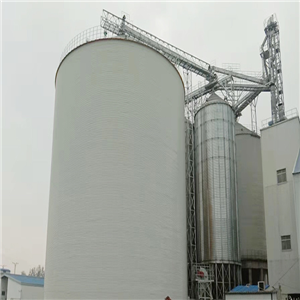
Liaoning Qiushi Shares Key Norms for Pneumatic Conveying in Steel Silos, Ensuring Safe and Efficient Grain Handling
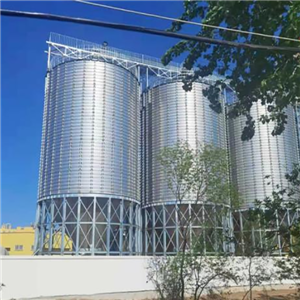
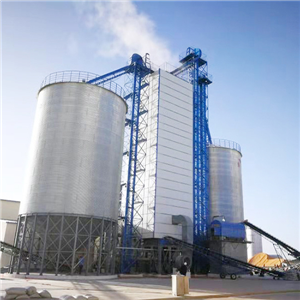
In the modern grain storage and handling industry, the combination of steel silos and pneumatic conveying systems has become the mainstream solution for large-scale grain transfer, thanks to its sealed, dust-free operation, flexible layout, and high automation. As a professional enterprise dedicated to the R&D, design, and integration of steel silo and grain handling solutions, Liaoning Qiushi Vertical Silo Equipment Engineering Co., Ltd. has accumulated rich engineering experience in pneumatic conveying of grain in steel silos. Grain, as a special granular material, has the characteristics of low particle strength, easy breakage, and strong hygroscopicity, which puts higher requirements on the design, operation, and safety management of pneumatic conveying systems in steel silos. Neglecting key operational details may lead to pipe blockage, excessive grain breakage, and even serious safety accidents such as dust explosions. Based on years of industry practice, Liaoning Qiushi summarizes key norms and precautions for pneumatic conveying in steel silos, helping customers achieve safe, efficient, and low-energy consumption grain handling operations.
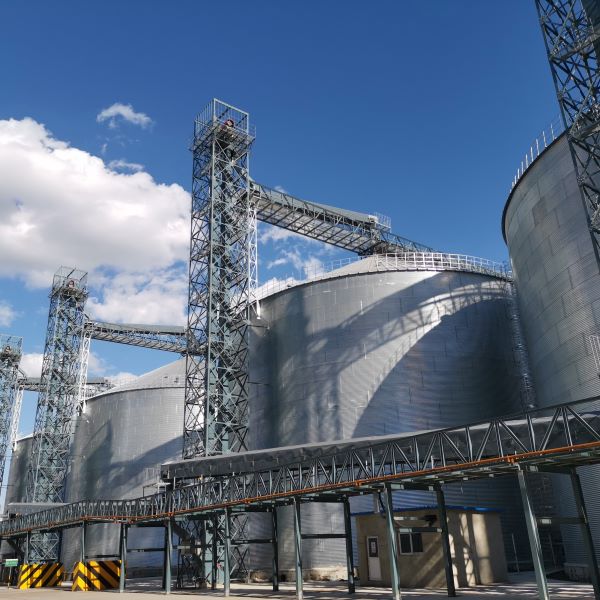
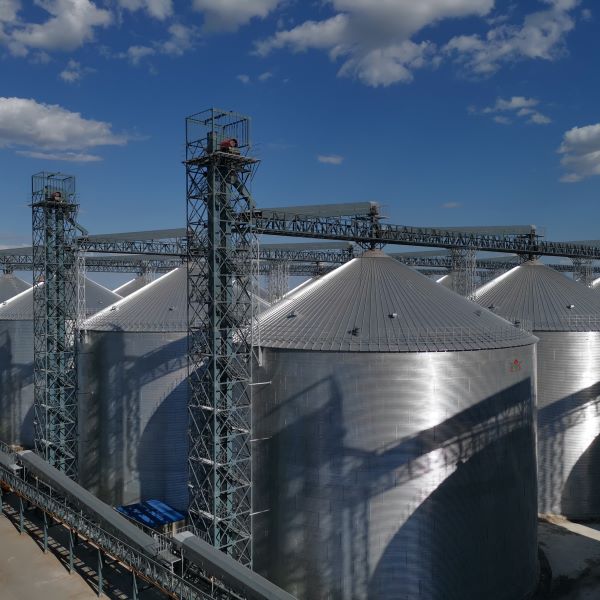
The steel silo pneumatic conveying system is a core part of the modern grain storage chain, and its stable operation is directly related to the efficiency of grain transfer and the safety of grain storage. Liaoning Qiushi has always adhered to the concept of “safety first, efficiency first” in the design and operation guidance of steel silo pneumatic conveying systems, and has formed a set of scientific and standardized operational norms, covering every link from grain pretreatment to system operation and daily maintenance, effectively solving the common pain points of pneumatic conveying in steel silos.
First and foremost, strict control of grain moisture content is the foundation for the smooth operation of steel silo pneumatic conveying. Different types of grains have clear moisture content standards for pneumatic conveying: wheat should be ≤13.0% when entering the steel silo, corn ≤14.0%, rice ≤14.5%, and soybeans ≤13.0%. Exceeding this range will significantly reduce the fluidity of grain, increase the friction resistance in the conveying pipe, and easily cause pipe blockage and grain caking in the steel silo. Liaoning Qiushi reminds customers that before grain enters the steel silo pneumatic conveying system, it is necessary to go through strict cleaning, screening, and drying processes to ensure that the moisture content meets the standard. At the same time, the air compressor should be equipped with professional drying and filtering devices to avoid introducing moisture into the steel silo during the conveying process, preventing condensation and mold growth in the grain pile.
Secondly, the control of conveying air velocity is a key parameter to avoid pipe blockage and excessive grain breakage in steel silo pneumatic conveying. Grain is a granular material, and its suspension velocity varies with the type of grain: wheat is 7.5-9.0 m/s, corn 9.0-11.0 m/s, rice 6.5-8.5 m/s, and soybeans 10.0-12.0 m/s. In actual operation, the conveying air velocity should be controlled at 1.3-1.6 times the suspension velocity, generally between 18-26 m/s. If the air velocity is too low, grain will settle at the bottom of the horizontal pipe, leading to blockage; if it is too high, it will not only increase the grain breakage rate but also accelerate the wear of the conveying pipe and increase energy consumption. Liaoning Qiushi recommends that customers adopt variable frequency fans in the steel silo pneumatic conveying system, which can fine-tune the air velocity according to the type of grain and conveying distance, ensuring stable operation within the reasonable range.
Controlling the solid-gas ratio is another core requirement for the stable operation of steel silo pneumatic conveying systems. Most of the grain pneumatic conveying in steel silos adopts dilute-phase positive pressure conveying, and the reasonable solid-gas ratio range is 3:1 to 8:1. For short-distance conveying with few bends, the ratio can be controlled at 6:1 to 8:1; for long-distance conveying with many bends, it is recommended to be 3:1 to 5:1. An excessively high solid-gas ratio will lead to insufficient air velocity, causing grain sedimentation and pipe blockage; a too low ratio will result in low conveying efficiency, increased energy consumption, and excessive grain breakage. Liaoning Qiushi’s technical team will configure the appropriate solid-gas ratio according to the actual conveying distance and grain type of the customer’s steel silo, and equip the system with a rotary unloader for quantitative feeding to avoid sudden fluctuations in the solid-gas ratio.
In addition, the tightness of the steel silo pneumatic conveying system and the rationality of the pipeline layout are also important guarantees for safe operation. The flanges, expansion joints, and unloaders of the conveying system are key air leakage points; if the air leakage rate exceeds 10%, the conveying capacity will decrease by 20%-30%, and insufficient air velocity will directly cause pipe blockage. Liaoning Qiushi reminds customers to inspect the sealing performance of the system regularly during daily operation. At the same time, the pipeline layout should minimize bends, with no more than 2 bends per 50 meters, and the curvature radius of the bends should be not less than 6 times the pipe diameter, so as to reduce grain breakage and pipeline wear caused by collision.
Dust explosion prevention is an indispensable part of the safety management of steel silo pneumatic conveying. Grain dust is flammable and explosive, so the internal temperature of the steel silo and the conveying system must be controlled below 50°C, and an alarm and shutdown should be triggered immediately if it exceeds 60°C. The electrical equipment of the system must meet the dust explosion-proof standard, and the grounding resistance should be ≤4 ohms; the top of the steel silo should be equipped with fire arrestors and explosion relief devices, and open flames and static sparks are strictly prohibited on the operation site.
As a leading enterprise in the steel silo industry, Liaoning Qiushi not only provides high-quality steel silo equipment but also offers comprehensive technical guidance and after-sales services for pneumatic conveying systems. Our professional technical team will tailor the steel silo pneumatic conveying solution according to the customer’s actual needs, provide on-site operation training, and regularly inspect the system to ensure that the steel silo pneumatic conveying system operates safely and stably for a long time. Liaoning Qiushi is committed to using professional technology to solve the pain points of grain handling in steel silos, helping customers improve operational efficiency, reduce losses, and safeguard grain storage safety.