
Key Technical Challenges and Operational Best Practices for Harsh Winter Environments
As agricultural production expands into higher-latitude and continental-climate regions, the challenge of maintaining raw grain storage quality through harsh winters has become one of the most pressing technical issues facing the global grain industry. From the vast agricultural plains of Central Asia and Russia to the northeastern grain belts of China, operators responsible for raw grain storage must contend with extreme temperature swings, heavy snowfall, ground frost, and freeze-thaw cycles that place enormous stress on storage systems and grain condition alike. Understanding how these conditions affect raw grain storage—and what operational practices help mitigate the risks—has never been more important.
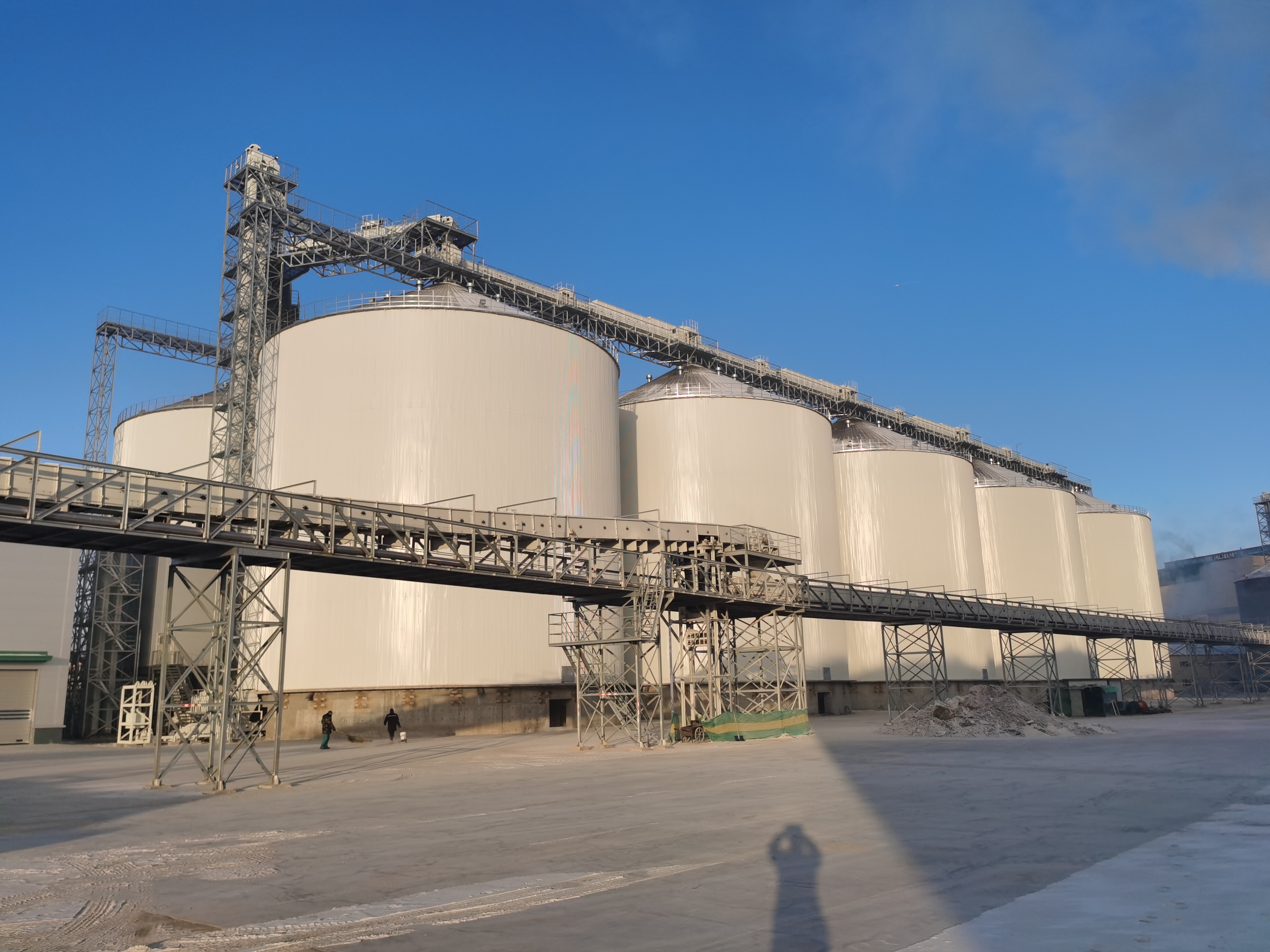
Why Cold Climates Create Unique Risks for Raw Grain Storage
Raw grain storage in temperate or tropical environments is already a technically demanding task. In cold-region environments, the challenges multiply. When ambient temperatures fall sharply, the temperature gradient between the outer walls of a storage facility and the core grain mass inside can become severe. This gradient is one of the primary drivers of condensation inside raw grain storage systems—moisture migrates from warmer to cooler zones within the grain pile, creating localized moisture accumulation that can trigger mold development, caking, and quality deterioration even in grain that entered storage within safe moisture parameters.
At the same time, extremely low outdoor temperatures can cause grain pile surfaces near aeration openings and facility walls to freeze, disrupting airflow pathways and making ventilation management far more difficult. Without careful operational adjustments, standard ventilation routines that work well in moderate climates can actively worsen grain condition in cold-region raw grain storage by pulling in freezing outside air at the wrong time and accelerating temperature-driven moisture movement.
The result is that raw grain storage facilities in cold regions face a complex, seasonally shifting set of management challenges that require specialized knowledge rather than simple adaptations of standard practice.
Temperature Management Is the Foundation of Cold-Region Raw Grain Storage
In any raw grain storage system, maintaining appropriate and stable temperatures throughout the grain mass is central to preservation quality. In cold-region environments, this principle becomes even more critical. Grain pile temperature monitoring networks must be properly calibrated and regularly checked before the onset of winter to ensure that operators have accurate, real-time visibility into internal conditions across all storage units.
One of the most common mistakes in cold-region raw grain storage is treating winter as a passive period when storage systems require less attention. In reality, the early winter transition—when outdoor temperatures are falling rapidly but the grain mass is still carrying residual harvest-season warmth—is one of the highest-risk periods in the entire storage cycle. Undetected heat pockets within large grain volumes can persist for weeks under frozen surface layers, creating ideal conditions for self-heating and quality loss that may not become visible until spring.
Operators managing raw grain storage in cold regions should establish a clear winter transition protocol that includes increased monitoring frequency during the initial temperature drop, targeted aeration to equalize internal temperature zones before deep freeze conditions set in, and documented thresholds for halting aeration once outdoor temperatures fall below safe operational limits.
Ventilation Decisions in Winter Require a Different Logic
Ventilation is one of the most powerful tools available for managing raw grain storage quality, but its application in cold-region environments requires a fundamentally different logic than in warmer climates. The standard goal of ventilation—introducing outdoor air to reduce grain pile temperatures and moisture—can become counterproductive in winter if applied without careful regard for outdoor temperature and humidity conditions.
When outdoor air is both very cold and very dry, ventilation can rapidly chill grain pile surfaces to temperatures far below the core mass temperature, intensifying the temperature gradient and increasing the risk of internal condensation rather than reducing it. In cold-region raw grain storage, ventilation windows must be carefully timed, targeting periods when outdoor conditions are cold but not extreme, and humidity levels allow for meaningful moisture exchange without creating new moisture risks at the grain pile surface or within aeration ducts.
This requires operators to maintain a systematic record of outdoor temperature and humidity conditions throughout the winter, correlate these records with internal grain pile monitoring data, and make ventilation decisions based on integrated analysis rather than routine scheduling. In many cold-region raw grain storage operations, the number of suitable ventilation windows during deep winter may be quite limited, making each opportunity more strategically important.
Structural and Mechanical Readiness Is Essential Before Winter Arrives
Beyond grain management practices, the physical readiness of raw grain storage infrastructure for winter conditions deserves serious attention. Cold-climate environments impose significant mechanical stress on storage structures, sealing components, electrical systems, and handling equipment. Problems that are minor in temperate conditions—small gaps in sealing, minor corrosion on aeration ducting, marginal electrical connections—can escalate rapidly under prolonged exposure to sub-zero temperatures, ice formation, and the mechanical stress of freeze-thaw cycling.
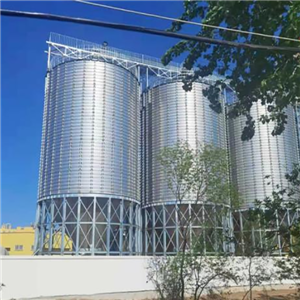
For raw grain storage facilities operating in cold regions, a systematic pre-winter inspection and maintenance cycle is an essential operational discipline. This should cover structural integrity checks on silo shells and roof systems, sealing and weatherproofing reviews on all access points, aeration and ventilation component inspections, and verification that all temperature monitoring systems are functioning accurately. Heating provisions for critical mechanical components and control systems should also be reviewed and tested before temperatures fall.
The cost of deferred maintenance in cold-region raw grain storage is typically much higher than the cost of preventive action. Emergency repairs on a grain storage facility in deep winter conditions—under snow, ice, and extreme cold—are technically difficult, operationally disruptive, and potentially damaging to grain quality during any unplanned system downtime.
Looking Ahead: Cold-Region Expertise Is a Growing Industry Priority
As grain production continues to grow in higher-latitude agricultural regions across Central Asia, Eastern Europe, and Northeast Asia, the need for cold-region raw grain storage expertise will only deepen. Agricultural enterprises, grain reserve operators, and storage system managers in these areas are increasingly focused on closing the gap between general storage practices and the specific technical demands of harsh winter environments.
The grain industry as a whole is beginning to recognize that cold-region raw grain storage is not simply a variant of standard grain storage—it is a distinct operational discipline with its own risk profile, management logic, and technical requirements. Sharing knowledge, promoting better pre-winter preparation standards, and building practical operational guidelines tailored to cold-region conditions will be critical steps in protecting grain quality and reducing avoidable post-harvest losses across these important agricultural regions.
Liaoning Qiushi Silo Equipment Engineering Co., Ltd. is a comprehensive grain storage equipment enterprise specializing in the design, manufacturing, installation, and after-sales service of steel silo systems and supporting equipment. The company serves clients across grain & oil, agriculture, and feed industries in China, Russia, Kazakhstan, Belarus, and other Belt and Road markets.
Contact: ? info@qssilo.com ? www.qssilo.com