
5 Reasons Why Negative Pressure Discharge is the Best Discharge Method for Flat-Bottom Steel Silos
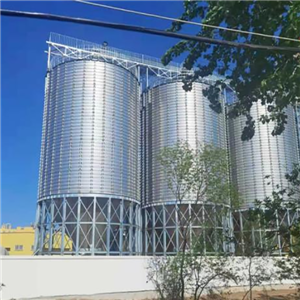
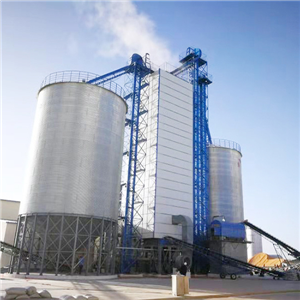
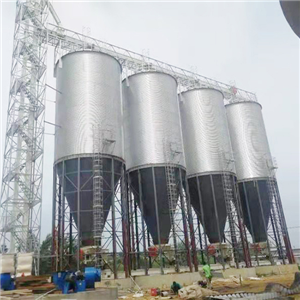
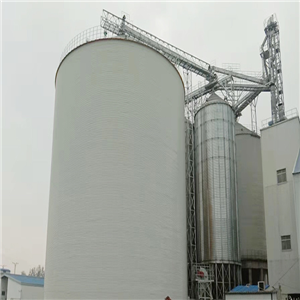
As the preferred large-capacity storage solution for grains, feed, and bulk materials worldwide, Flat-Bottom Steel Silos are celebrated for their stable structure, large storage capacity, and adaptability to diverse industrial scenarios. However, the efficiency, safety, and material integrity of Flat-Bottom Steel Silos largely depend on the choice of discharge method. Among various options such as gravity discharge, mechanical sweep discharge, and positive pressure discharge, negative pressure discharge has emerged as the optimal choice for Flat-Bottom Steel Silos. This article explores five core reasons why negative pressure discharge stands out, highlighting its unique advantages in optimizing the operational efficiency and reliability of Flat-Bottom Steel Silos.
Minimal Material Residue, Maximizing Storage Utilization of Flat-Bottom Steel Silos
A key challenge of traditional discharge methods for Flat-Bottom Steel Silos is excessive material residue, which wastes storage space and increases cleaning costs. Unlike gravity discharge that relies on material self-weight (often leaving residues in corners) or mechanical sweepers that are time-consuming, negative pressure discharge uses suction power to extract materials from every corner of the Flat-Bottom Steel Silos’ horizontal floor. This method ensures a residue rate of less than 0.5%, fully utilizing the entire storage volume of Flat-Bottom Steel Silos – a critical advantage for large-capacity Flat-Bottom Steel Silos (with single-silo capacities ranging from 5,000 to 20,000 tons) commonly used in national grain reserves and terminal storage projects. For enterprises relying on Flat-Bottom Steel Silos for long-term static storage, this means higher storage efficiency and reduced material waste.
Gentle Material Handling, Protecting Grain Quality in Flat-Bottom Steel Silos
Many Flat-Bottom Steel Silos are used to store fragile bulk materials such as grains, seeds, and processed feed, where material integrity directly affects product value. Negative pressure discharge operates with low-speed, uniform suction, avoiding the friction, collision, and extrusion that occur with mechanical discharge methods. This gentle handling prevents grain breakage, dust generation, and quality degradation, ensuring that materials discharged from Flat-Bottom Steel Silos maintain their original properties. Additionally, the sealed suction system of negative pressure discharge prevents external contaminants from entering the Flat-Bottom Steel Silos, further safeguarding material purity – a vital feature for Flat-Bottom Steel Silos used in food and feed industries.
Dust-Free Operation, Enhancing Safety of Flat-Bottom Steel Silos Work Environments
Dust pollution is a major safety hazard and environmental concern in the discharge process of Flat-Bottom Steel Silos, especially when storing powdery or granular materials. Traditional discharge methods often generate large amounts of dust, which not only harms operator health but also creates fire and explosion risks in enclosed spaces. Negative pressure discharge solves this problem by collecting dust directly during the suction process: the negative pressure environment traps dust inside the discharge pipeline, preventing leakage and ensuring a clean, safe work environment aroundFlat-Bottom Steel Silos. This aligns with global environmental and occupational health standards, reducing the environmental compliance costs for enterprises using Flat-Bottom Steel Silos.
Adaptability to Diverse Materials, Expanding Application Scope of Flat-Bottom Steel Silos
Flat-Bottom Steel Silos are widely used to store various bulk materials, including grains, cement, coal, and alumina, each with different physical properties such as particle size, humidity, and fluidity Negative pressure discharge systems can be easily adjusted by modifying suction power and pipeline specifications to accommodate these diverse materials, making them highly compatible with Flat-Bottom Steel Silos’ versatile storage capabilities. Whether handling high-moisture grains that tend to agglomerate or abrasive materials like alumina, negative pressure discharge ensures smooth, uninterrupted operation without clogging – a significant improvement over traditional discharge methods that struggle with material diversity. This adaptability expands the application scope of Flat-Bottom Steel Silos across agriculture, industry, and logistics.
Low Maintenance & Energy Efficiency, Reducing Operational Costs of Flat-Bottom Steel Silos
Flat-Bottom Steel Silos are valued for their low maintenance requirements and long service life, and negative pressure discharge further enhances this advantage Unlike mechanical discharge systems with numerous moving parts that require frequent lubrication and replacement, negative pressure discharge systems have a simple structure with minimal wear components, reducing maintenance frequency and costs. Additionally, negative pressure discharge consumes 20-30% less energy compared to positive pressure discharge systems, as it leverages atmospheric pressure to assist material suction . For enterprises operating large-scale Flat-Bottom Steel Silos with high daily discharge volumes, this energy efficiency translates to substantial long-term cost savings, improving overall operational profitability.
Liaoning Qiushi: Optimizing Flat-Bottom Steel Silos with Negative Pressure Discharge Solutions
Liaoning Qiushi’s one-stop service for Flat-Bottom Steel Silos includes customized design, installation, and after-sales support, ensuring that negative pressure discharge systems perfectly match each customer’s specific material storage and discharge needs. “Negative pressure discharge is the key to unlocking the full potential of Flat-Bottom Steel Silos,” said a technical expert at Liaoning Qiushi. “By combining this advanced discharge method with our high-quality Flat-Bottom Steel Silos, we help customers achieve more efficient, safe, and cost-effective storage operations.”