-
04-03 2026
Global Steel Silo and Grain Industry Market Thrives: Intelligence, Sustainability and Infrastructure Upgrade Drive Growth
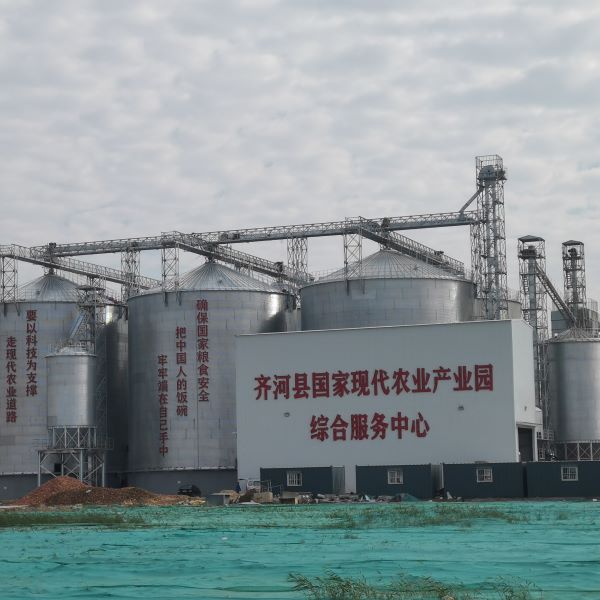
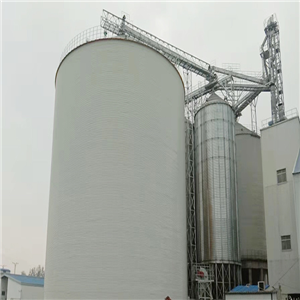
Technological innovation has become the backbone of the steel silo and grain industry’s development, with intelligence and automation leading the transformation. Traditional steel silos and grain handling systems are being rapidly upgraded with advanced technologies such as the Internet of Things (IoT), artificial intelligence (AI), and smart monitoring systems. For instance, leading manufacturers are equipping steel silos with real-time sensor networks that track temperature, humidity, and grain quality, enabling remote monitoring and predictive maintenance to prevent spoilage and pest infestation. Companies like AG Growth International (AGI) and Bühler AG are integrating digital monitoring platforms and automated handling systems, empowering operators to optimize storage performance and minimize post-harvest losses—a critical priority for the industry globally. Additionally, innovations in steel coating technologies, such as Promag—a composite of aluminum, zinc, and magnesium—have enhanced corrosion resistance by over 10 times compared to traditional galvanized steel, extending silo lifespans and reducing maintenance costs significantly.
-
03-16 2026
Tech-Driven Green & Intelligent Corn Storage
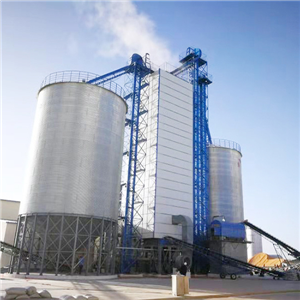
As one of the world’s most important grain crops, corn plays a pivotal role in global food security, animal feed production, and industrial processing. However, corn storage has long been plagued by challenges such as grain breakage, mold growth, insect infestation, and high post-harvest losses, which not only affect corn quality but also undermine the stability of the grain supply chain. With the continuous advancement of grain storage technology and the increasing emphasis on food security, intelligent and green storage solutions have become the core trend in the corn storage industry. Liaoning Qiushi Silo Equipment Engineering Co., Ltd., a leading provider of bulk storage solutions, is committed to innovating corn storage technology, launching customized steel silo systems to help industry players reduce storage losses and enhance operational efficiency.
-
03-12 2026
Geopolitical Tensions Drive Soybean Meal Price Surge: Market Trends and Industry Insights
The global soybean meal market has witnessed a significant price upturn in recent weeks, driven by escalating geopolitical tensions in the Middle East and favorable supply-demand fundamentals. As a key raw material in the feed and agricultural industries, soybean meal’s price fluctuations have far-reaching impacts on downstream sectors including livestock breeding, aquaculture, and food processing. Liaoning Qiushi Silo Equipment Engineering Co., Ltd., a professional provider of bulk storage solutions, offers insights into the current market dynamics and provides targeted storage solutions to help industry players respond to market changes.
-
03-04 2026
Intelligent Upgrading of Grain Storage
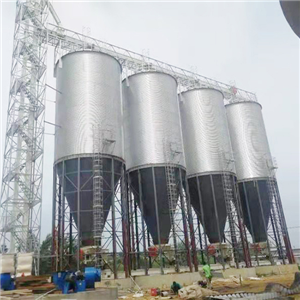
With the continuous improvement of global agricultural productivity, the importance of Post-Harvest Grain Preservation has become increasingly prominent. As a key link in the grain industry chain, post-harvest storage directly determines the quality of grain, reduces waste, and ensures the rational utilization of agricultural products. In response to the industry’s demand for efficient, safe, and sustainable Post-Harvest Grain Preservation, Liaoning Qiushi Silo Equipment Engineering Co., Ltd., a leading enterprise in the steel silo industry, is accelerating the intelligent upgrading of grain storage solutions, leading the innovation of post-harvest preservation technology and helping the grain industry achieve high-quality development.
-
03-02 2026
Advanced Flat‑Bottomed Steel Silos: A Strong Foundation for Global Grain Security
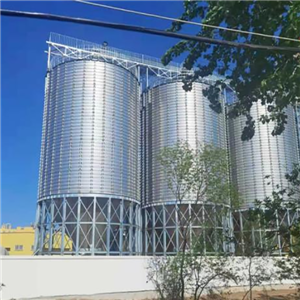
In an era of increasing global focus on food supply stability, Grain Security has become a strategic priority for countries, agricultural enterprises, and grain storage institutions worldwide. As a core component of modern grain storage infrastructure, flat‑bottomed steel silos play an irreplaceable role in reducing post‑harvest losses, preserving grain quality, and strengthening long‑term Grain Security.
-
02-11 2026
Six Most Important Maintenance Tasks in the Operation of Flat-Bottomed Steel Silos
Flat-Bottom Steel Silos have become the backbone of bulk material storage across agriculture, industry, and logistics sectors globally. Renowned for their large storage capacity, robust structural stability, and long service life, these silos play a pivotal role in safeguarding material quality and ensuring smooth operational workflows. However, the long-term reliability and efficiency of Flat-Bottom Steel Silos depend heavily on regular, systematic maintenance. Neglecting key maintenance tasks can lead to structural degradation, material contamination, operational downtime, and even safety risks—all of which undermine the value of Flat-Bottom Steel Silos and increase long-term operational costs. To help operators maximize the performance and lifespan of their silos, we outline the six most critical maintenance tasks for the daily operation of Flat-Bottom Steel Silos.