
Case Study: 12,000-Ton Steel Silo Project Equipped with 7 Sets of Auxiliary Equipment Transforms Grain Storage in Anjiuguhe
The project’s positive impact extends beyond storage efficiency. It is estimated to save approximately 816 tons of grain annually (based on the reduced loss rate), equivalent to the food supply for 20,400 people for one month. Additionally, the stable grain storage capacity helps stabilize local grain prices, supporting the income of smallholder farmers and promoting the healthy development of the local agricultural industry. The construction phase also created over 50 local jobs, driving regional economic growth.
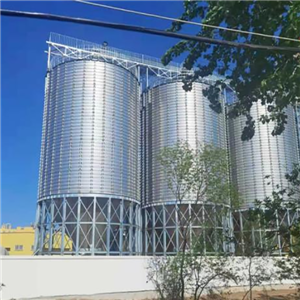
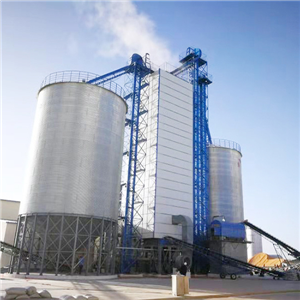
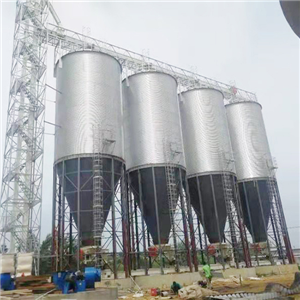
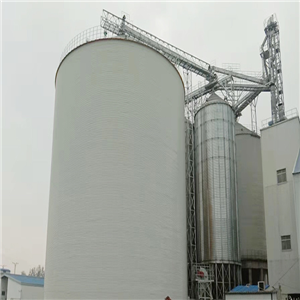
SHENYANG, China – A landmark 12,000-ton grain storage project, featuring 6 units of 2,000-ton steel silos and 7 sets of professional supporting equipment, has been successfully delivered and commissioned in Anjiuguhe, a major grain-producing region in China. Undertaken by a leading bulk storage solution provider, the project is tailored to address the local challenges of concentrated grain harvests and insufficient advanced storage facilities, marking a new era of modernized, efficient grain storage for the area.
Anjiuguhe boasts fertile land and abundant agricultural resources, making it a key contributor to regional grain supply. However, for years, the area grappled with outdated storage infrastructure: traditional barns and simple silos lacked sufficient capacity and airtightness, leading to grain mold, insect infestations, and a post-harvest loss rate of around 7%. During the peak harvest season, large quantities of grain had to be stored temporarily, increasing the risk of quality degradation. To overcome these bottlenecks, the local government initiated the steel silo project, aiming to leverage modern storage technology to enhance efficiency and safeguard grain security.
Designed to align with Anjiuguhe’s climatic conditions (humid summers and cold winters) and grain storage requirements, the 6 units of 2,000-ton steel silos, paired with 7 sets of supporting equipment, deliver comprehensive improvements in storage safety, operational efficiency, and quality control. Key features of the project that drive its success are detailed below:
1. Robust, Airtight Structure for Long-Term Stable Storage: Each 2,000-ton steel silo is constructed with high-strength Q355 steel and adopts advanced spiral edge-biting technology, eliminating exposed bolts and ensuring exceptional structural stability. The silos achieve a 99.6% airtightness rating, effectively blocking external moisture, pests, and dust from entering. This design, combined with a corrosion-resistant galvanized coating, enables long-term grain storage (up to 2 years) while reducing the post-harvest loss rate from 7% to less than 1.2% – a significant improvement for local grain producers.
2. 7 Sets of Supporting Equipment for Seamless Operation: The project is complemented by 7 sets of professional auxiliary equipment, including 3 high-efficiency bucket elevators (with a lifting capacity of 100 tons per hour) and 4 screw conveyors. These devices form an integrated workflow covering grain loading, unloading, and inter-silo transportation. Compared to manual and traditional equipment, the supporting system reduces labor intensity by 65% and increases overall operational efficiency by 50%, ensuring rapid handling of grain during the peak harvest season.
3. Intelligent IoT Monitoring for Full-Cycle Quality Assurance: The entire silo system is integrated with an intelligent IoT monitoring platform. High-precision sensors installed in each silo real-time track temperature, humidity, and grain moisture content, transmitting data to a central control room 24/7. When abnormal conditions (e.g., excessive humidity, temperature spikes) are detected, the system automatically activates ventilation, dehumidification, or fumigation equipment, ensuring grain quality meets national food safety standards throughout the storage cycle. This intelligent management model also reduces manual inspection workload by 70%.
A representative of the local agricultural department stated: "The completion of this 12,000-ton steel silo project is a crucial upgrade to our regional grain storage infrastructure. Anjiuguhe is a core grain-producing area, and the concentrated harvest season used to put great pressure on our storage capacity. With these new steel silos and supporting equipment, we can now store enough grain to meet the local market demand for 6 months, and the intelligent monitoring system ensures grain quality. This will not only reduce economic losses from grain spoilage but also strengthen our food security reserve capacity."