
Why Galvanized Steel Silos Outperform Concrete Warehouses for Modern Grain Storage
With the continuous upgrading of global grain circulation and standardized agricultural production, traditional concrete grain warehouses are gradually unable to meet the requirements of low-loss storage, intelligent management and rapid capacity expansion. More and more grain depots, rice processing plants and feed mills are eliminating old concrete warehouses and replacing them with modern galvanized steel silos, which have become the mainstream trend in the global grain storage industry. Professional in raw grain and feed storage, Liaoning Qiushi Silo Equipment Engineering Co., Ltd. explains why galvanized steel silos have become the preferred solution for new-generation agricultural storage projects.
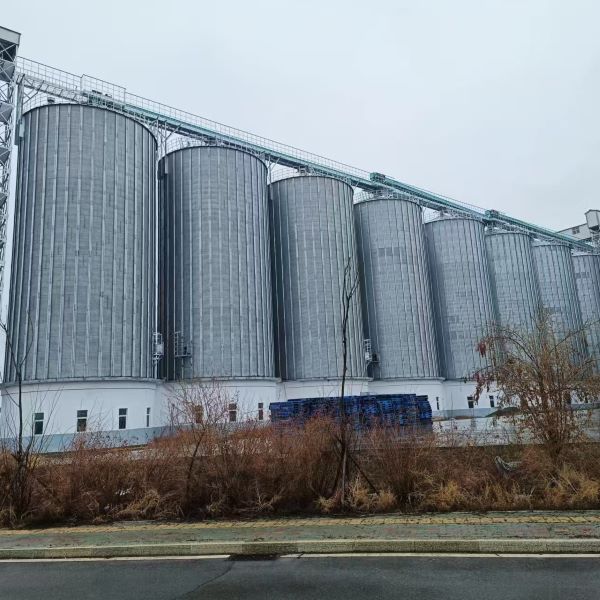
Concrete warehouses were once the mainstream storage form for grain reserves. However, after long-term practical operation, the industry has summarized many inherent drawbacks. Concrete walls easily absorb moisture, causing internal humidity accumulation and frequent grain mildew and agglomeration. The rough wall surface breeds insect eggs and residual grain, forming permanent sanitary dead zones. In addition, concrete buildings cannot be disassembled or expanded, forcing enterprises to invest heavily in new construction once the storage scale increases. Poor airtightness, difficult temperature control and high annual maintenance costs have become common pain points of traditional grain warehouses.
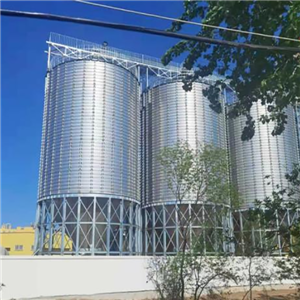
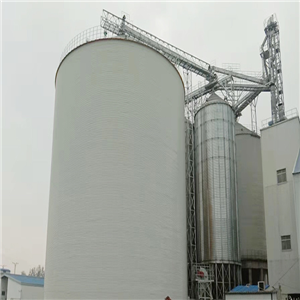
In contrast, modern galvanized steel silos completely solve the above industry problems with standardized structural design and industrial manufacturing advantages. Made of high-strength hot-dip galvanized steel plates with 275g/m² zinc coating, the silo body features smooth, dense and fully enclosed walls. It does not absorb moisture, does not retain grain residues, and effectively isolates external humid air, dust and pests, creating a clean and stable storage environment for wheat, corn, rice and feed raw materials.
The biggest advantage of galvanized steel silos over concrete warehouses is precise and controllable grain storage environment. The modular steel silo structure supports full coverage of intelligent ventilation, temperature and humidity monitoring and dust removal systems. The internal air circulation is uniform and efficient, which can balance the temperature and humidity of the grain pile in real time, avoid self-heating and condensation, and control the grain storage loss rate far below the industry average. Traditional concrete warehouses rely entirely on natural ventilation, unable to form scientific air circulation, resulting in extremely high hidden grain losses throughout the year.
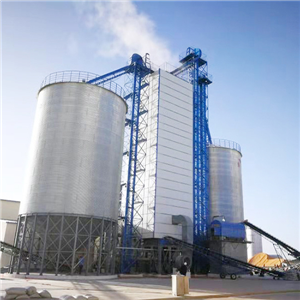
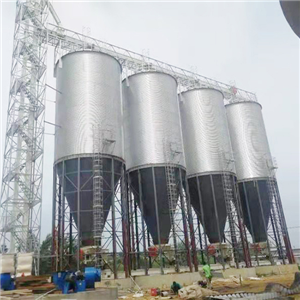
In terms of construction efficiency and economic benefits, galvanized steel silos have absolute advantages. All steel silo components are prefabricated in the factory with unified standards, and the on-site installation adopts bolt assembly without complex construction and long curing cycle of concrete. The overall construction period is shortened by more than 60%. Meanwhile, steel silos support flexible disassembly, migration and capacity expansion. When the enterprise’s purchasing and processing capacity increases, new silo groups can be added at any time, which greatly saves repeated investment costs compared with fixed concrete buildings.
In terms of service life and environmental adaptability, high-quality galvanized steel silos can stably adapt to extreme cold, high humidity and strong wind environments in Russia, Central Asia and Southeast Asia. Through strict airtightness pressure test and structural load calculation, the equipment can maintain stable performance for more than 25 years. The surface galvanized layer effectively resists oxidation and corrosion, avoiding structural aging and wall peeling problems that often occur in concrete warehouses after several years of use.
At present, the upgrading trend from concrete warehouses to galvanized steel silos is becoming increasingly obvious in the global grain and feed industry. A large number of overseas agricultural enterprises have completed storage system upgrades, achieving lower grain loss, lower maintenance costs and higher management efficiency.