
Uniform Ventilation Technology Eliminates Temperature Layering in Large Grain Silos
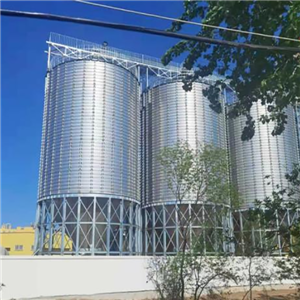
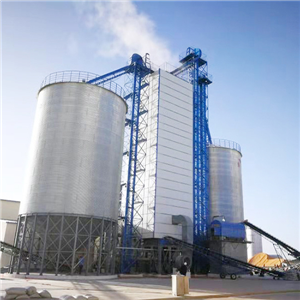
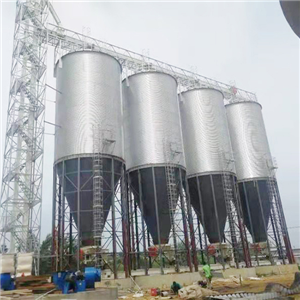
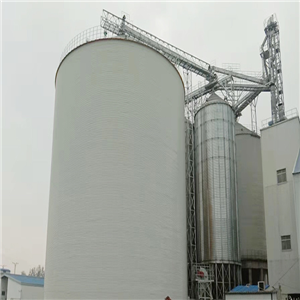
Temperature stratification is one of the most hidden and destructive problems in modern bulk grain storage. In large-capacity grain piles, inconsistent air circulation easily forms upper cold and lower hot temperature layers, triggering moisture migration, local grain overheating and latent mildew risks. Traditional ventilation methods rely on single-point air supply, which cannot penetrate deep grain layers and fails to balance the overall internal environment. Professional and standardized Grain Silo Ventilation technology has become the core solution to solve temperature layering problems and achieve full-bin stable grain preservation. Liaoning Qiushi Silo Equipment Engineering Co., Ltd. optimizes systematic Grain Silo Ventilation structures specifically for large flat-bottom steel silos, realizing three-dimensional uniform air circulation and zero temperature difference storage.
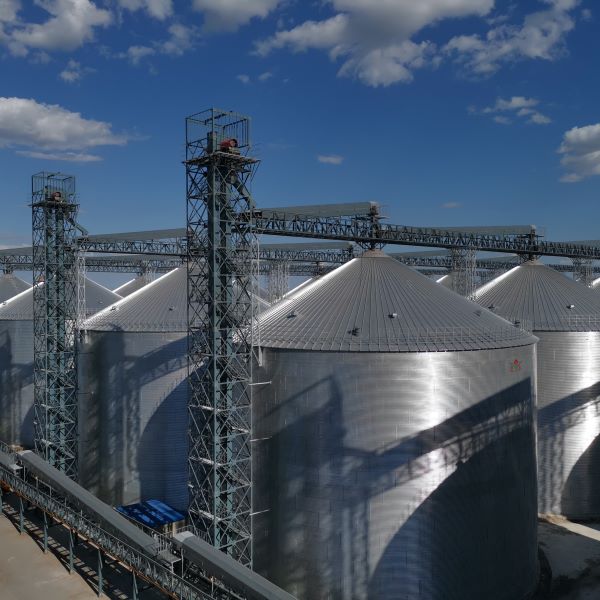
Large-scale grain storage faces unique temperature balance challenges. After long-term stacking, corn, wheat and paddy grain piles form dense and compact internal structures. Natural air cannot flow freely inside the silo, resulting in obvious vertical and horizontal temperature differences. In spring and autumn alternating seasons, external temperature changes violently, while the internal grain temperature changes slowly. The temperature difference between inside and outside accelerates water vapor precipitation, forming condensation on grain surfaces and silo inner walls. Without scientific Grain Silo Ventilation scheduling, tiny temperature differences will gradually expand and eventually cause large-area grain deterioration.
The traditional ventilation mode has obvious technical limitations. Single fan air supply and simple duct layout lead to concentrated airflow, forming obvious ventilation dead zones in the middle and edge areas of the grain pile. Some grain layers are ventilated excessively, causing dry grain weight loss, while some areas lack effective air exchange and accumulate heat for a long time. This uneven operation cannot fundamentally eliminate temperature layering and cannot meet the long-term safe storage requirements of modern grain depots. Optimized professional Grain Silo Ventilation systems completely break this technical bottleneck through full-area pipeline layout and layered air supply design.
Liaoning Qiushi’s upgradedGrain Silo Ventilation system adopts multi-branch underground air duct network and uniform air outlet design. The ventilation pipeline covers every corner of the silo bottom, realizing omni-directional and no-dead-angle air delivery. The system matches low-speed and large-volume fan equipment, making the airflow slowly and evenly penetrate each grain layer. It effectively balances the temperature of the upper, middle and lower parts of the grain pile, thoroughly eliminates temperature stratification and avoids local heat accumulation and moisture aggregation.
In actual project operation, the standardizedGrain Silo Ventilation solution shows excellent practical effects. For large silos with a single storage capacity of 5,000 tons to 15,000 tons, the optimized ventilation structure controls the internal temperature difference within 2°C all year round, completely solving the seasonal temperature layering problem. The grain quality remains stable during long-term storage, and the grain loss rate is far lower than the industry average. This reliable technology has been widely applied in grain storage projects in Russia, Kazakhstan and domestic major grain-producing areas.