
Key Safety and Operational Tips for Fixed Hydraulic Loading and Unloading Platforms
In our previous sharing, we covered the basic application of hydraulic unloading platforms, especially when handling bulk materials. While these devices greatly improve loading and unloading efficiency, safe and standardized operation must always come first. Today we will focus on the important precautions for using the fixed hydraulic loading and unloading platform, to ensure stable performance, extend service life, and protect both personnel and equipment.
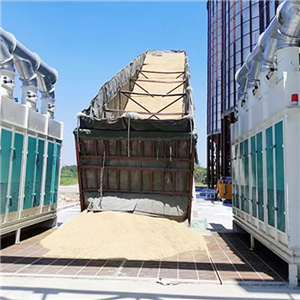
During lifting and positioning, the platform and loaded materials must remain stable. Once the target height or angle is reached, the safety locking device should be engaged to secure the platform and prevent accidental movement. Overloading is strictly prohibited, as exceeding the rated load capacity will not only damage the structure but also lead to safety hazards.
Operators are required to wear standard personal protective equipment such as safety helmets, anti-slip work shoes and protective gloves throughout the operation. The working surface of the platform should be kept clean, with oil stains, debris and slippery substances removed promptly to avoid slipping accidents.
A clear operating space must be maintained around the platform, with no obstacles blocking movement or endangering operation. Lifting and lowering actions should be carried out at a steady and uniform speed to keep the load balanced and stable.
Regular maintenance is essential for long-term performance. This includes checking hydraulic oil level, tightening fasteners, inspecting structural connections and ensuring all functions respond correctly. The working ground must be firm and level to provide reliable support for the platform.
In addition, every operator should be familiar with emergency procedures, especially the location and use of emergency stop buttons. Quick and correct response in unexpected situations can effectively prevent accidents and reduce losses.