Geopolitical Tensions Drive Soybean Meal Price Surge: Market Trends and Industry Insights
The global soybean meal market has witnessed a significant price upturn in recent weeks, driven by escalating geopolitical tensions in the Middle East and favorable supply-demand fundamentals. As a key raw material in the feed and agricultural industries, soybean meal’s price fluctuations have far-reaching impacts on downstream sectors including livestock breeding, aquaculture, and food processing. Liaoning Qiushi Silo Equipment Engineering Co., Ltd., a professional provider of bulk storage solutions, offers insights into the current market dynamics and provides targeted storage solutions to help industry players respond to market changes.
According to the latest futures market data from the Dalian Commodity Exchange, the main soybean meal contract (MZL2) closed at 3,068 yuan per ton on March 11, 2026, a sharp increase of 106 yuan from the previous trading day, with the highest price reaching 3,077 yuan per ton – the highest level since April 25, 2025, and only 20 yuan away from the peak of 3,097 yuan per ton recorded on April 24, 2025. The trading volume also surged to 291.92 million hands on March 11, a significant increase compared to the average trading volume in recent months, reflecting strong market activity and bullish sentiment.
Geopolitical Tensions: The Core Driver of Price Surge
Firstly, the conflict has caused a sharp rise in crude oil prices, which in turn has boosted the price of U.S. soybean oil based on the biofuel substitution logic. Secondly, the increase in U.S. soybean oil prices has driven up U.S. soybean prices, supported by the demand-driven logic of the soybean industry chain. Finally, the rise in U.S. soybean prices has increased the import cost of domestic soybeans in China, further pushing up the price of soybean meal. Industry analysts point out that although the latest USDA supply and demand report (March 2026) has only a slightly bullish impact on the market, the geopolitical factor has become the main driver of the current soybean meal price surge.
Market Fundamentals: Stable Support for Price Strength
In addition to geopolitical factors, the stable fundamentals of the soybean meal market also provide strong support for the price upturn. The March USDA supply and demand report slightly lowered the global soybean ending inventory for 2025/26, while U.S. soybean ending inventory remained unchanged but consumption was slightly raised, leading to a slight decline in the U.S. soybean inventory-consumption ratio. Although Argentina slightly lowered its soybean production, its consumption was also adjusted downward synchronously, resulting in no change in ending inventory and a slight increase in the inventory-consumption ratio. Overall, the supply and demand pattern of the global soybean market remains stable, with no obvious bearish factors, laying a solid foundation for the strong performance of soybean meal prices.
Domestically, soybean meal has obvious undervaluation advantages and room for catch-up growth. With the recovery of the downstream livestock breeding industry, the demand for soybean meal as feed raw material is gradually increasing, further supporting the upward trend of prices. However, industry insiders remind that the sustainability of the current price surge still depends on whether there are follow-up fundamental drivers, such as changes in South American weather, delays in imported soybean arrivals, and progress in Sino-U.S. economic and trade consultations.
Liaoning Qiushi: Helping Industry Players Respond to Market Changes with Professional Storage Solutions
As soybean meal prices fluctuate sharply and market demand changes, the safe and efficient storage of soybean meal has become a key concern for feed enterprises, grain depots, and trading companies. Soybean meal, as a powdery bulk material, is prone to moisture absorption, caking, and deterioration during storage, which can easily lead to losses in the context of price fluctuations. Liaoning Qiushi, with years of experience in bulk storage equipment R&D, design, and manufacturing, provides customized storage solutions for soybean meal storage, helping industry players reduce losses and lock in profits.
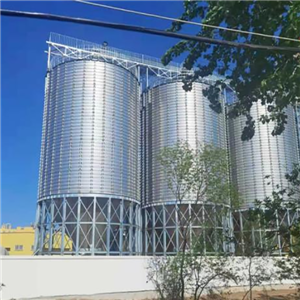
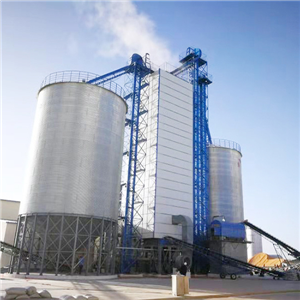
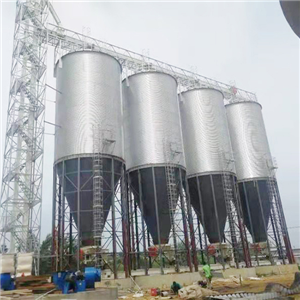
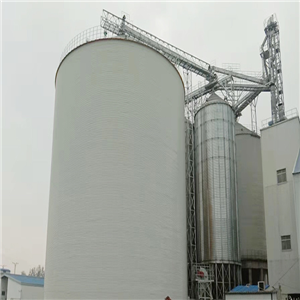
The company’s flat-bottomed and hopper-bottom steel silos, specially designed for powdery materials such as soybean meal, feature excellent airtightness, moisture resistance, and corrosion resistance, effectively preventing soybean meal from moisture absorption and mildew. Equipped with intelligent ventilation and temperature monitoring systems, the silos can maintain a stable internal storage environment, ensuring the quality of soybean meal during long-term storage. In addition, the company’s silo systems adopt an optimized discharge design, which can avoid material bridging and clogging, ensuring efficient and smooth loading and unloading of soybean meal, helping enterprises respond flexibly to market price changes and adjust their inventory strategies in a timely manner.
Outlook: Short-Term Strength, Long-Term Focus on Fundamental Drivers
Looking ahead, the short-term soybean meal market is expected to remain strong under the influence of geopolitical tensions and stable fundamentals. However, if there are no new fundamental drivers (such as extreme weather in soybean-producing areas or significant changes in import arrivals), the market may enter a period of rhythm adjustment, and prices may fluctuate within a certain range. Industry players need to closely pay attention to changes in geopolitical situations, soybean production in major producing areas, and downstream demand, and reasonably arrange inventory and procurement plans to avoid risks brought by price fluctuations.